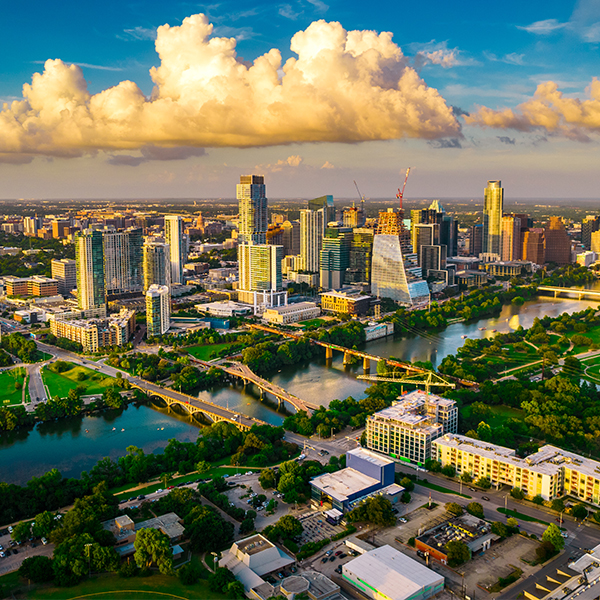
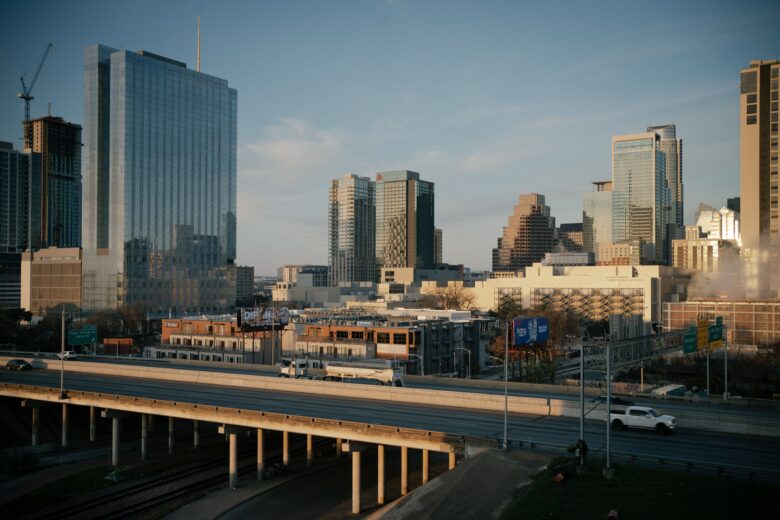
Some Austin roads present greater risks than others because of high speeds, heavy traffic, complicated intersections, and frequent interaction among drivers, pedestrians, and cyclists. Austin’s Vision Zero program identifies a High-Injury Network representing only about 8% of the city’s street network but accounting for nearly 60% of serious injury and fatal crashes.
Knowing where these risks are concentrated can help Austin drivers recognize hazardous conditions and respond more carefully when traveling through the city.
What Makes Some Austin Roads More Dangerous Than Others?
Austin roads can become particularly dangerous when higher speeds, heavy traffic, complicated intersections, and vulnerable road users come together. Road design and driver behavior can also affect the likelihood and severity of a crash.
Common risk factors include:
- High traffic volumes
- Higher vehicle speeds
- Frequent merging and lane changes
- Large or complicated intersections
- Limited pedestrian crossings
- Commercial truck traffic
- Speeding, impairment, and distracted driving
Austin uses crash frequency, severity, and other factors to identify locations where safety improvements may have the greatest impact.
Which Austin Highways Have the Greatest Driving Risks?
Austin has several major highways where drivers regularly encounter heavy traffic, high speeds, congestion, and frequent merging. These conditions can become particularly hazardous when traffic slows suddenly or when drivers have limited time to react.
Major highways where drivers may encounter these risks include:
- I-35
- MoPac Expressway (Loop 1)
- US 183
- SH 71
Each highway presents different challenges depending on the location, time of day, traffic volume, construction, and surrounding road design. High speeds combined with congestion and frequent vehicle movements can increase the risk of serious collisions.
Which Austin Intersections Can Be Especially Dangerous?
Large Austin intersections can present significant risks because drivers may be turning, crossing several lanes, entering major roads, or interacting with pedestrians and cyclists at the same time. Austin has targeted numerous intersections for safety improvements based on crash patterns and other safety data.
Locations that have received attention through the city’s Vision Zero safety efforts include:
- I-35 and Martin Luther King Jr. Boulevard
- I-35 and Braker Lane
- Rundberg Lane and I-35
- North Lamar Boulevard and Parmer Lane
- South Congress Avenue and Oltorf Street
- Slaughter Lane and South First Street
These locations illustrate some of the challenges found at major Austin intersections, including multiple turning movements, high traffic volumes, and interaction between local streets and larger arterial roads or highways.
Where Are Pedestrians and Cyclists Most at Risk in Austin?
Pedestrians and cyclists can face greater risks along major roads where vehicle speeds and traffic volumes are high. Unlike vehicle occupants, they have little physical protection when a collision occurs.
Austin corridors that have been identified through the city’s High-Injury Roadway analysis include portions of:
- North Lamar Boulevard
- Riverside Drive
- Burnet Road
- South Congress Avenue
- Cameron Road
- Slaughter Lane
- William Cannon Drive
Risks can be particularly significant around busy intersections, crosswalks, transit stops, and locations where pedestrians or cyclists must cross several lanes of traffic.
What Should You Do After an Accident on a Dangerous Austin Road?
After an Austin car accident, address immediate safety and medical needs first. Call 911 when emergency assistance is necessary and move out of active traffic if you can safely do so.
When possible:
- Photograph the vehicles and the surrounding roadway
- Exchange contact and insurance information
- Get contact information from witnesses
- Seek medical attention
- Keep medical bills and other accident-related records
- Preserve photographs, videos, and other evidence
This information may later help establish how the collision occurred and who was responsible.
Contact McMinn Law Firm To Schedule a Free Consultation With an Austin Car Accident Attorney
Austin, Texas’s highways, busy intersections, and high-traffic corridors can pose distinct risks to drivers, pedestrians, and cyclists. Heavy traffic, higher speeds, frequent merging, and complicated intersections can all contribute to serious crashes. If an accident occurs, evidence from the scene can help establish what happened and who was responsible.
If you were injured in a car accident, contact McMinn Law Firm to schedule a free consultation with an Austin car accident attorney.
We proudly serve clients throughout Austin, TX in Travis County, as well as Salt Lake City, UT in Salt Lake County.
McMinn Law Firm – Austin, TX Office
502 W 14th St, Austin, TX 78701
(512) 474-0222

McMinn Law Firm – Salt Lake City, UT Office
650 S 500 W Suite 290, Salt Lake City, UT 84104
(385) 462-7630