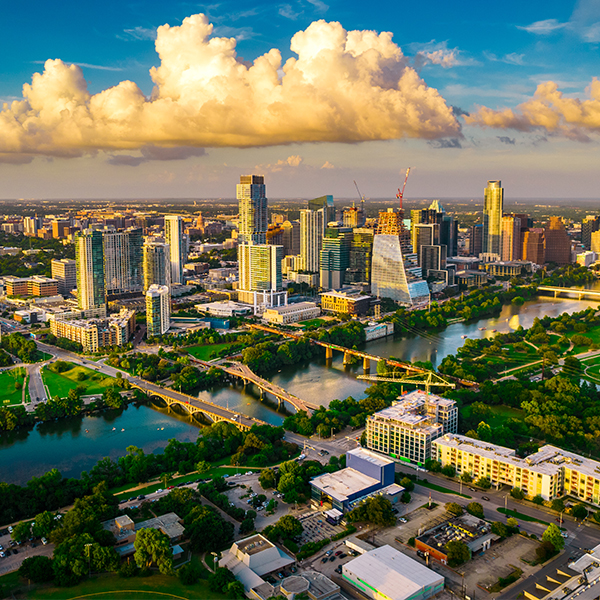
Every year, the City of Austin, Texas, creates a budget that decides how public money is spent on the services residents rely on, covering everything from parks and libraries to emergency medical response. For the 2026-2027 fiscal year, City Manager T.C. Broadnax has proposed a $6.6 billion spending plan that puts more money toward public safety. What a lot of people don’t realize is how much these budget choices affect road safety across the city.
The way the city spends its transportation and public safety dollars plays a key role in how safe your daily travel really is. Read on for a closer look at what this budget could mean for you and when to call a personal injury attorney for help after an accident.
Transportation Funding and Vision Zero
One of Austin’s biggest road safety efforts is Vision Zero, a program adopted in 2015 with the goal of ending traffic deaths and serious injuries on city streets. Over the past ten years, the city has put more than $1.3 billion toward safety and mobility upgrades. That money has gone toward 29 major intersection projects, better street lighting, upgraded traffic signals, and new pedestrian crossings. At those improved intersections, the city has seen a 38% average drop in severe crashes.
Still, a May 2026 audit from the City Auditor’s Office found that progress is being held back by limited funding and gaps in crash data. The bond money that paid for much of this work is nearly gone, and federal safety grants are harder to count on going forward. City Council has asked staff to put together a new bond package for voters to weigh in on this November, which could open the door to more street redesigns and safety improvements.
EMS and Emergency Response Improvements
How quickly help arrives can make all the difference when an accident takes place. Austin-Travis County EMS covers more than 1,039 square miles and serves over 1.4 million people. The proposed 2026-2027 budget adds $6 million in EMS funding, plus $500,000 in overtime spending to keep units fully staffed while new medics finish training. The Austin Fire Department would also get an $18.86 million boost and 32 new firefighter positions.
These increases are meant to keep response times short and make sure crews have what they need when crashes happen on Austin’s streets.
What This Means for Austin Drivers, Cyclists, and Pedestrians
Budget decisions might feel far removed from your daily life, but they have a real effect on how safe your commute is. Keep the following in mind:
- Intersection redesigns and signal upgrades paid for through the budget can lower your chances of being in a serious crash.
- Pedestrian safety is still a big concern. Despite years of spending, pedestrian crashes make up about 28% of all serious injury and fatal collisions in Austin.
- State-run highways like I-35 and US 183 account for most of the city’s traffic deaths, and Austin has limited say in how those roads are built or maintained.
- Quicker EMS response times can be the difference between life and death after a wreck.
No budget can stop every crash at the end of the day; dangerous roads and careless drivers continue to put people at risk on a regular basis in the Austin area.
Contact McMinn Personal Injury Lawyers To Schedule a Free Consultation With an Austin Personal Injury Attorney
If you’ve been injured in an accident in Austin, Texas, reaching out to a personal injury lawyer is one of the smartest steps you can take. An attorney can help you understand your legal options and work to help you recover all of the compensation you may be entitled to from there.
For more information, contact your nearest McMinn Law Firm location to schedule a free consultation today. We proudly serve clients throughout Austin, TX in Travis County.
McMinn Law Firm – Austin, TX Office
502 W 14th St, Austin, TX 78701
(512) 474-0222