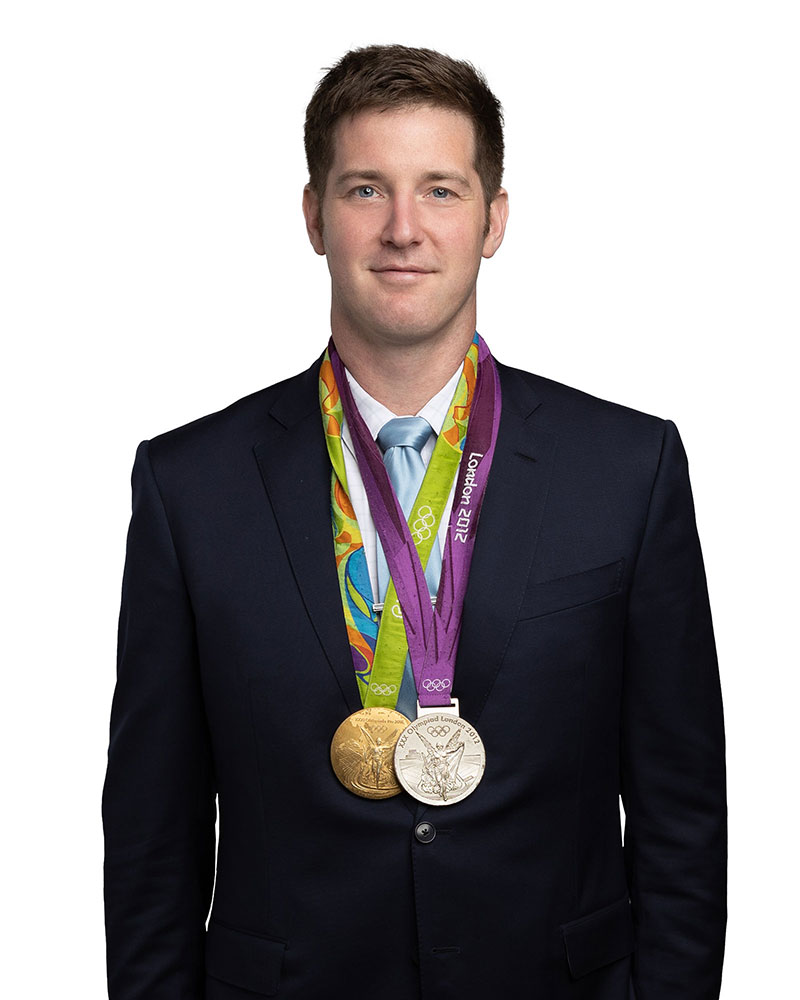
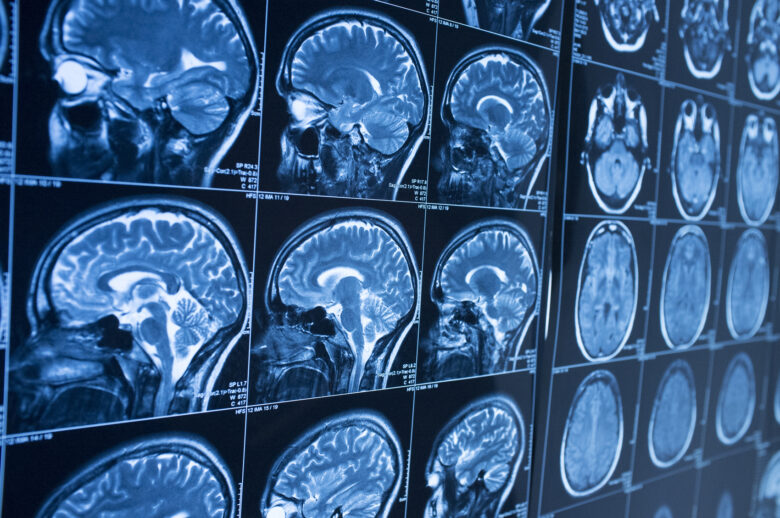
Suffering a traumatic brain injury (TBI) can leave you with devastating cognitive issues and a variety of other health problems. According to Justin McMinn, a personal injury attorney in Austin, these injuries can occur as a result of car accidents, slip and fall incidents, and any other incident in which you suffer head trauma.
There are numerous types of TBIs you can sustain, with different levels of severity that could impact your recovery time and the degree to which you regain your health. Learn more about traumatic brain injuries and what suffering one could mean.
Understanding Traumatic Brain Injuries
A traumatic brain injury refers to a wound that impacts how your brain works. You can sustain one of these injuries if you suffer a jolt or blow severe enough to cause your brain to move in your skull, or if something penetrates the skull and reaches the brain.
Trauma from this kind of injury can cause cognitive impairment by changing brain chemicals and interrupting the normal functioning of neurotransmitters. It triggers biological changes that can cause the injury to spread across the brain. TBIs can also result in permanent physical damage to neurons, impairing their ability to communicate with one another.
Experiencing one traumatic brain injury can put you at a greater risk of suffering other TBIs in the future and of developing neurodegenerative diseases.
Types of Traumatic Brain Injuries
There are two main categories of traumatic brain injuries: open and closed wounds. Open wounds involve skull fractures, while closed injuries are blunt injuries in which the skull remains intact. The injuries are then further categorized by type and severity.
1. Concussions
Concussions are mild TBIs that don’t generally leave permanent cognitive symptoms. These injuries occur if something hits your head with significant force, causing your brain to move within the skull, or as a result of rapid movement of the brain, as can occur in the sudden deceleration of a motor vehicle during a crash.
Concussions cause the nerves and blood vessels in your brain to stretch. This damage can lead to chemical changes that cause your brain to stop working as it needs to for a few hours, a few days, or longer.
You can experience numerous symptoms, including:
- Nausea
- Vomiting
- Headaches
- Confusion
- Dizziness
- Fatigue
- Blurred vision
- Hearing problems
- Sensitivity to light and sounds
- Concentration problems
- Sleep issues
- Loss of consciousness
- Mood swings
- Irritability
- Depression
- Anxiety
Treating a concussion usually requires rest. You may be unable to work or manage family responsibilities and generally need to avoid all strenuous activities.
Although concussions are not considered severe injuries, they can become so if you experience another one in a short period. If you suffer another concussion before the first one heals, you can experience second impact syndrome, which can cause much more serious and lasting damage.
2. Contusions
Cerebral contusions are bruises that occur on brain tissue. They happen when blood vessels bleed during a jolt or blow, leading to swelling that puts pressure on the organ and impacts function.
You can sustain a contusion right where the blow occurs, or you can suffer a coup-contrecoup injury. It involves suffering a bruise at the point of impact and on the opposite side of the brain. These injuries are severe because they impact more than one brain area.
Symptoms depend on the exact parts of the brain impacted and can include:
- Confusion
- Loss of consciousness
- Dizziness
- Nausea
- Mood changes
- Behavioral changes
- Seizures
The severity of the injury will dictate whether surgical intervention is needed to relieve the pressure. In some instances, ongoing treatment may be necessary to prevent complications.
3. Penetrating Injury
A penetrating brain injury occurs when an object enters the skull and cuts into the brain. These can be catastrophic wounds that cause swelling, hemorrhage, and even infections. One of the potential complications of a penetrating brain injury is the buildup of fluid in the brain, called hydrocephalus. It puts serious pressure on brain tissue and can cause a variety of symptoms.
4. Diffuse Axonal Injury
One of the most serious brain wounds you can suffer is a diffuse axonal injury (DAI). A DAI occurs when the brain rotates or twists, causing shearing of its nerve fibers. This injury disrupts normal brain function, making it difficult for parts of the organ to talk to each other and causing long-term damage.
A DAI can cause a variety of symptoms, depending on its severity. Some common ones include:
- Confusion
- Memory problems
- Loss of consciousness
- Changes in personality
- Mood swings
- Depression
- Coordination and balance problems
The most severe cases result in comas or death. Even mild DAIs can leave lasting cognitive issues.
Levels of Traumatic Brain Injury
There are three main levels of TBIs: mild, moderate, and severe.
Mild TBIs are typically concussions, though some contusions can be considered mild. You may not lose consciousness or do so for only a few seconds, and your symptoms generally last about 24 hours.
Moderate TBIs can cause you to lose consciousness for up to 24 hours, though it’s usually less than that. You can experience amnesia for a few days and struggle with lasting health issues.
Severe TBIs can result in loss of consciousness that lasts for more than 24 hours. It often involves a coma or amnesia that lasts more than a week. Someone who suffers a severe TBI can experience permanent brain damage.
Contact Our Salt Lake City Personal Injury Attorneys at McMinn Law Firm for a Free Consultation
If you or a loved one sustained a brain injury because of another party’s negligent or wrongful conduct, you may be able to file a personal injury claim. You should never attempt to go through this process without legal representation, however, because of the complexities of these cases and how much is at stake.
By hiring experienced Salt Lake City personal injury attorneys, you can protect your claim while focusing on healing. With the right counsel by your side, it’s possible to receive the compensation you deserve.
If you’ve been injured, contact your nearest McMinn Law Firm location to schedule a free consultation today. We proudly serve clients throughout Austin, TX in Travis County, as well as Salt Lake City, UT in Salt Lake County.
McMinn Law Firm – Austin, TX Office
502 W 14th St, Austin, TX 78701
(512) 474-0222

McMinn Law Firm – Salt Lake City, UT Office
650 S 500 W Suite 290, Salt Lake City, UT 84104
(385) 462-7630